
1. High-speed Cutting. 2. Precision Cutting. 3. Customizable Cutting Patterns. 4. Automatic Material Feeding. 5. Waste Reduction. 6. Easy Operation and Maintena...
Introduction. 1. Growing Demand for Hygiene Products. 2. Advancements in Cutting Technologies. 3. Cost Reduction and Increased Efficiency. 4. Focus on Sustainab...
1. Regular Cleaning. 2. Lubrication. 3. Blade Sharpening and Replacement. 4. Calibration and Alignment. 5. Inspection and Maintenance of Electrical Components. ...
1. Machine Setup. 2. Load the Non-Woven Fabric. 3. Set Cutting Parameters. 4. Start the Machine. 5. Monitor the Operation. 6. Inspect the Cut Pieces. 7. Remove ...
1. Prepare the Workspace. 2. Assemble the Machine Parts. 3. Connect Power and Air Supply. 4. Adjust Cutting Parameters. 5. Test Run and Fine-tuning. 6. Safety P...
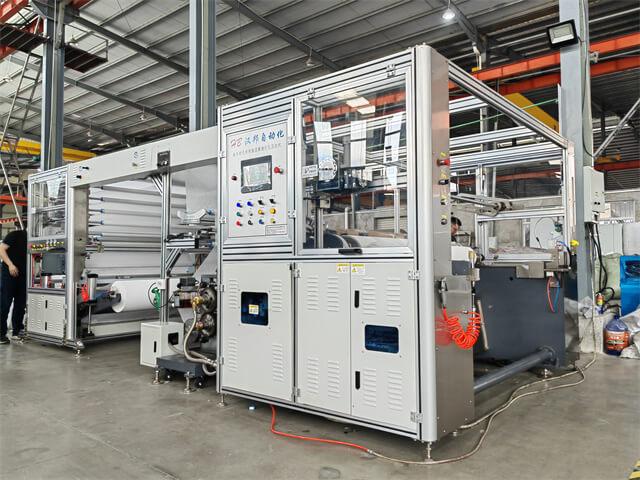
1. Cutting Speed. 2. Cutting Precision. 3. Flexibility. 4. Ease of Use. 5. Maintenance and Durability. 6. Safety Features. 7. Cost-effectiveness. 8. Customer Su...
1. Diapers. 2. Sanitary Napkins. 3. Raw Material Efficiency. 4. Production Speed. 5. Customization. 6. Quality Assurance. 7. Reliability and Durability. 8. Auto...
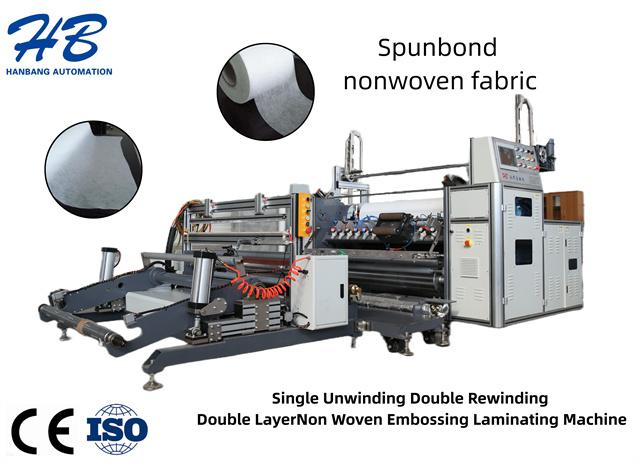
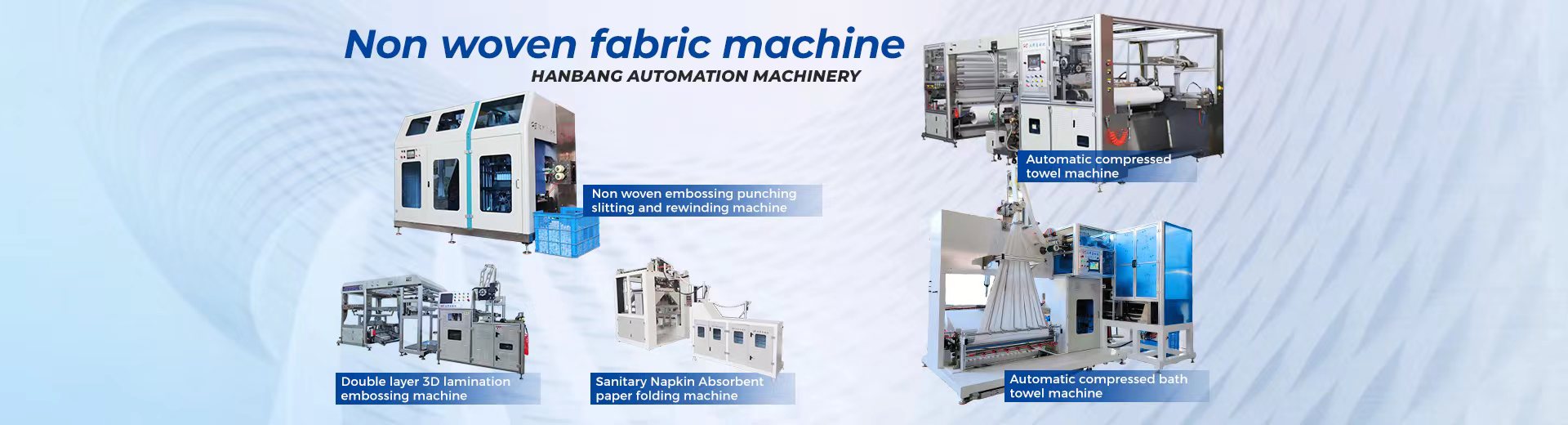
The production of hot-air non-woven fabrics or spun-bonded non-woven fabrics has a strong three-dimensional hole shape, is more beautiful, has higher quality, penetrates faster, does no...
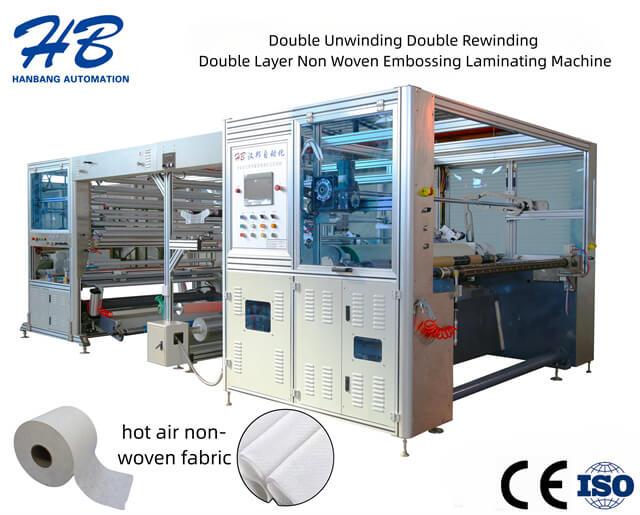
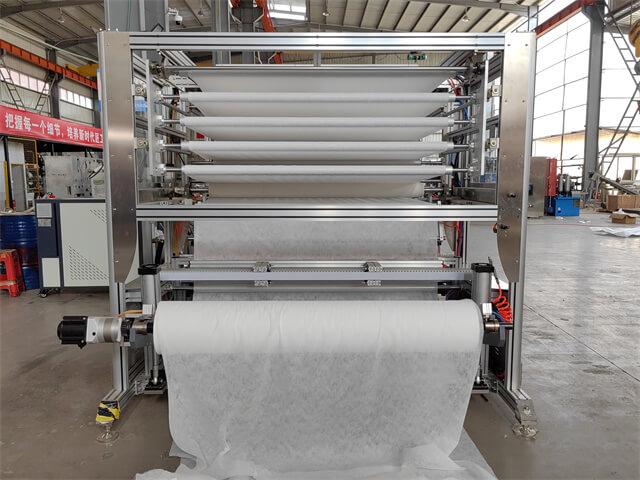
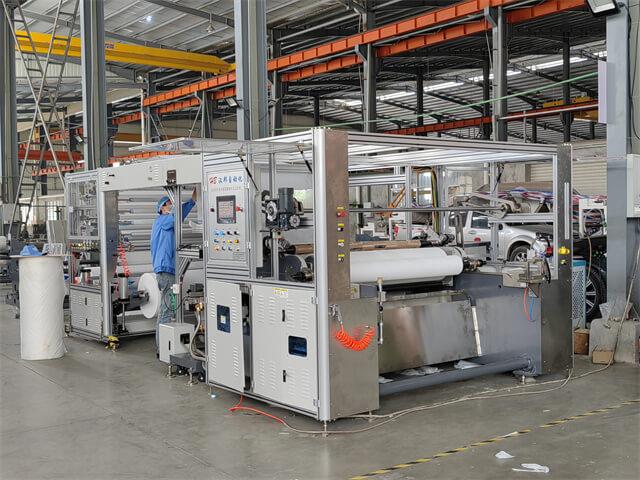
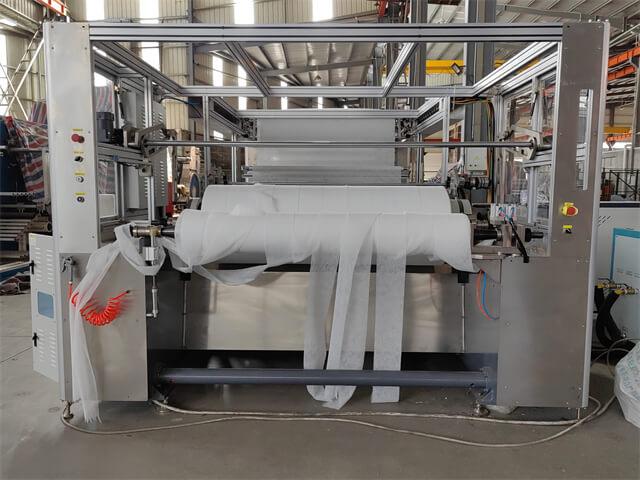
This machine is a multi-functional equipment for processing and production. It can complete drilling, slitting and rewinding at one time.Specification model: HBJX-W1600-DD type Applicab...
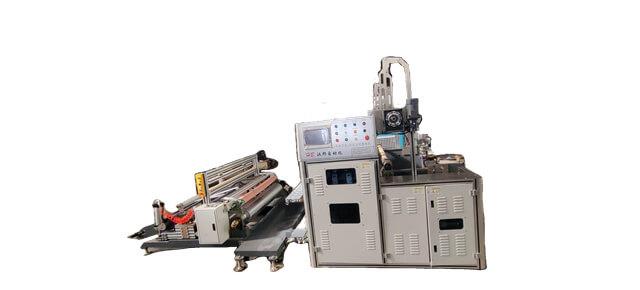
2 machines, operated by one person, with a production width of 190mm, 60 meters per minute, and an actual output of 1.2-1.3 tons/machine in 12 hours....


 Tel: +86-18350778618
 Email: info@qzhanbang.com
 MP/WhatsApp: +86-18350778618
 Manufacturer Address:No. 80 Yuanxi Road, Xixiliao Village, Anhai Town, Jinjiang City, Quanzhou City, Fujian Province